Emergency fire damage restoration in San Ysidro: how the process works
A step-by-step walkthrough of emergency fire damage restoration in San Ysidro: what happens in the first hour, how long each phase takes, and what it costs in 2026.
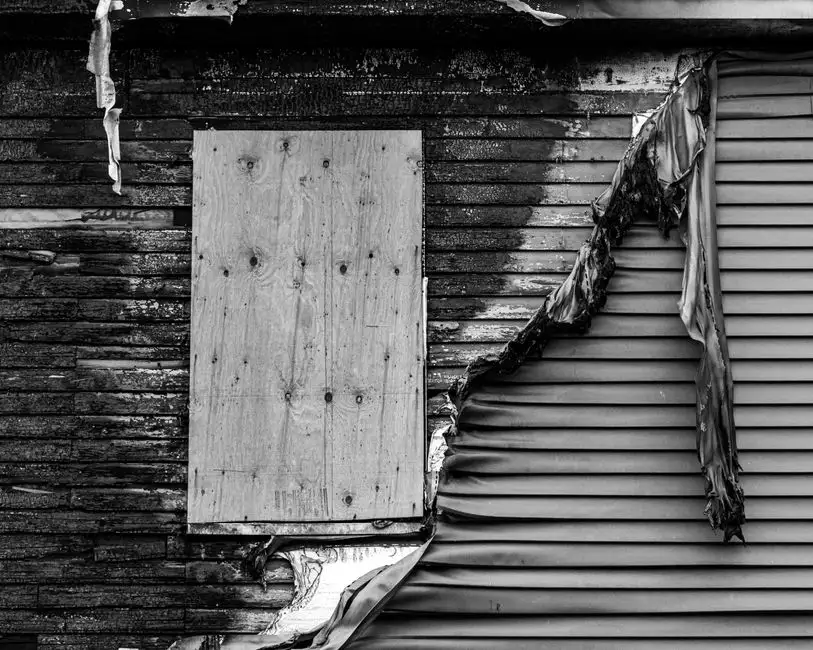
Emergency fire damage restoration in San Ysidro, California works in seven phases: emergency board-up and safety inspection, water and debris removal, soot and smoke cleanup, odor neutralization, structural repair, contents restoration, and a final walkthrough with your insurance adjuster. The whole process usually runs 2 to 12 weeks depending on how far the smoke traveled and whether the structure is safe to occupy.
We run that sequence every week for homeowners and landlords from the Border District up through Ocean View Hills. Below is exactly what happens from the moment you call, what each phase costs in 2026, and the mistakes that turn a two-week job into a two-month one.
What emergency fire damage restoration actually involves
Emergency fire damage restoration is the coordinated cleanup and repair of a building after a fire, starting within hours of the blaze being extinguished and ending when the structure is safe, clean, and habitable again. It is not just cleaning soot off walls. Fire leaves three separate problems behind - heat damage to the structure, smoke residue pushed into every cavity, and water from the firefighting effort - and each one needs a different method.
In San Ysidro the water problem is bigger than most people expect. A single engine company can put 300 to 800 gallons into a 1,200-square-foot house, and that water sits in subflooring, wall cavities, and attic insulation. If it is not extracted and dried within 48 hours, you get mold on top of fire damage. That is why our crews treat fire and water as one job, not two.
If you are searching for Fire Damage Restoration at 2 a.m., the first thing we ask is whether the fire department has cleared the scene. We cannot enter until they do.
The emergency fire restoration steps in San Ysidro, California
The emergency fire restoration steps in San Ysidro, California follow a fixed order because skipping a phase causes damage that shows up weeks later. Here is what each one looks like in practice.
Step 1: Emergency call and board-up (first 1-4 hours)
We arrive, walk the exterior, and secure the property. That means boarding windows, tarping the roof, and locking down any opening the fire created. In San Ysidro, where a lot of housing sits close to the border and foot traffic on Beyer Boulevard is constant, an unsecured fire-damaged house can be stripped of copper and appliances overnight. Board-up is not cosmetic - it is theft prevention and rain protection in one.
At the same time we do a safety pass: gas shutoff, electrical panel check, and a structural look at load-bearing walls and the roof deck. If anything is unsafe to enter, we tell you before anyone walks in.
Step 2: Water extraction and debris removal (day 1-2)
Standing water comes out first, then charred debris, then the wet materials that cannot be saved - carpet, padding, drywall that has been soaked and smoked. We bag and haul it so the rest of the house can be worked on. This is also when we set up drying equipment: commercial dehumidifiers and air movers running for 3 to 5 days to bring framing and subfloor moisture back under 16%.
Step 3: Soot and smoke residue cleanup (day 2-5)
Soot is acidic. Left on metal, it pits within days; left on painted drywall, it stains permanently. We use dry sponges on loose soot first, then wet cleaning agents matched to the surface - alkaline for grease-based kitchen residue, solvent-based for the sticky smoke that coats cabinets and trim. Every surface gets tested before we choose a method, because the wrong cleaner etches finishes.
For heavier jobs we bring in Soot Removal in SAN YSIDRO, California as a dedicated phase, especially in attic and crawlspace fires where residue settles into insulation and rafters.
Step 4: Odor neutralization (day 3-7)
Smoke odor lives in porous materials - drywall paper, wood framing, upholstery, HVAC ductwork. Wiping surfaces does not remove it. We use thermal fogging and hydroxyl generators to break down odor molecules at the source, and we run the HVAC system with new filters to clear the ducts. If the smell comes back after a week, the source was missed, not the air.
Homes in the San Ysidro Border District often share walls and attic space with neighboring units, which means smoke can migrate into a unit that never burned. We inspect adjacent cavities for that reason.
Step 5: Structural repair (week 2 onward)
Framing, drywall, roofing, windows, and flooring get rebuilt to code. In older San Ysidro housing stock - much of it built between 1950 and 1985 - we frequently find knob-and-tube wiring or undersized framing that has to be brought up to current California code during the rebuild. That is a cost conversation, not a surprise.
Step 6: Contents and furniture restoration (runs parallel)
Anything salvageable - furniture, documents, electronics, clothing - gets cleaned, deodorized, and stored off-site until the house is ready. Items with smoke damage but no heat damage are usually recoverable. Items with char or melted plastic are not.
Step 7: Final walkthrough and insurance documentation
We walk the property with you and, if you want, your adjuster. You get photos, moisture readings, and a written scope of completed work. That documentation is what closes the claim.
How long does emergency fire restoration take in San Ysidro?
Emergency fire restoration in San Ysidro takes 2 to 4 weeks for a contained kitchen or bedroom fire, 4 to 8 weeks for a fire that reached the attic or spread smoke through the HVAC system, and 8 to 12 weeks or more when structural framing has to be rebuilt. The timeline is driven by three things: how far smoke traveled, how much water the fire department used, and how fast your insurance adjuster signs off on the scope.
Here is the realistic breakdown we give homeowners on day one:
- Board-up and safety: same day
- Water extraction and drying: 3-5 days
- Soot and smoke cleaning: 2-5 days
- Odor treatment: 1-3 days, sometimes repeated
- Structural repair: 1-6 weeks depending on scope
- Final walkthrough: 1 day after punch list is done
One thing that stretches timelines in San Ysidro specifically: permit turnaround. Structural repairs need a city permit, and inspection scheduling can add 5 to 10 business days. We pull permits early so the rebuild is not waiting on paperwork.
What does emergency fire damage restoration cost in San Ysidro in 2026?
Typical 2026 pricing in this area runs $3,500 to $12,000 for a contained room fire, $12,000 to $35,000 for a fire with attic or HVAC smoke spread, and $35,000 to $90,000 or more for structural rebuilds. Most of that is covered by homeowner's insurance, and we bill the carrier directly for the covered portion.
What drives the number up or down:
- Square footage affected - smoke travels; a 400-square-foot fire can contaminate 1,500 square feet of interior
- Water damage - drying adds $1,200 to $3,500 on top of fire cleanup
- Contents - pack-out, cleaning, and storage of furniture and belongings
- Structural rebuild - framing, roofing, and electrical bring the biggest line items
- Odor treatment - severe cases need multiple fogging cycles
If you are comparing quotes, make sure each one lists drying days, odor treatment method, and whether permits are included. A low bid that skips drying or odor work is not a lower price - it is a smaller scope.
Common mistakes homeowners make after a fire
The most common mistake after a house fire is re-entering before the fire department clears the scene, followed closely by throwing away damaged items before the insurance adjuster has photographed them. Both create problems that cannot be undone.
Here is what we see repeatedly, and what to do instead:
- Walking through before it is safe. Charred floor joists and wet drywall can fail under weight. Wait for clearance.
- Discarding damaged belongings. Your adjuster needs to see them. Photograph everything, then let the restoration company document and dispose.
- Running the HVAC system. If smoke got into the ducts, running the system spreads soot through every room. Turn it off until ducts are cleaned.
- Wiping soot with a wet rag. Water drives soot into drywall paper and sets the stain. Dry-clean first.
- Waiting on odor treatment. Smoke odor compounds with time and heat. Treat within the first week.
- Hiring a general contractor with no fire experience. Fire restoration is a specific sequence. A GC who has never run a hydroxyl generator will miss the odor phase.
One mistake that is specific to this region: assuming a small fire in a shared-wall unit only affected your unit. Smoke migrates through attic and wall cavities. We have opened walls two units over and found soot. If you are a renter, renter fire damage cleanup SAN YSIDRO California is handled differently from an owner claim, and we walk you through which costs fall to you versus the landlord.
When to call a professional
Call a professional when the fire went beyond a stovetop flare-up, when smoke reached a second room, when water from firefighting is standing anywhere, or when you can smell smoke more than 24 hours after the fire. Those four conditions mean the damage is deeper than what you can see.
Small contained fires - a singed cabinet, a scorched countertop, a pan fire that never spread - can sometimes be handled with cleaning and repainting. But if the fire department opened a wall, if the attic smells, or if any structural member was involved, you need a restoration crew. Our team at Fire Damage Restoration San Ysidro handles the assessment for free and tells you honestly whether you need full restoration or just cleanup.
If you are a landlord or property manager, apartment fire cleanup services SAN YSIDRO covers multi-unit buildings where smoke and water crossed unit lines. We coordinate with tenants and the carrier so you are not managing three conversations at once.
Frequently Asked Questions
How does emergency fire damage restoration work in San Ysidro, California?
It works in seven phases: board-up and safety inspection, water and debris removal, soot and smoke cleaning, odor neutralization, structural repair, contents restoration, and a final walkthrough. Each phase runs in order because skipping one causes damage that appears weeks later. The full sequence takes 2 to 12 weeks depending on scope.
How long does emergency fire restoration take in San Ysidro?
Two to four weeks for a contained room fire, four to eight weeks when smoke reached the attic or HVAC system, and eight to twelve weeks or more for structural rebuilds. Drying alone takes 3 to 5 days. Permit and inspection scheduling can add another 5 to 10 business days.
What is the first step in fire damage restoration in San Ysidro, California?
The first step is emergency board-up and a safety inspection, done within 1 to 4 hours of your call. We secure windows and the roof, shut off gas and power if needed, and confirm the structure is safe to enter before any cleaning begins.
Does insurance cover emergency fire damage restoration in San Ysidro?
Yes, most homeowner and landlord policies cover fire restoration, including board-up, water extraction, soot cleanup, odor treatment, and structural repair up to policy limits. We document everything with photos and moisture readings and bill the carrier directly for the covered portion.
Who provides 24/7 emergency fire restoration in San Ysidro, California?
Fire Damage Restoration San Ysidro provides 24/7 emergency response, including nights, weekends, and holidays. We answer the phone, dispatch a crew, and start board-up the same day the fire department clears the scene.
Get help with Fire Damage Restoration in San Ysidro
If your home or building has fire, smoke, or water damage, call us and we will walk the property, document everything for your insurance claim, and start the process the same day. We serve all of San Ysidro, from Palm Avenue to the border.
Call (833) 929-6186 for 24/7 emergency fire damage restoration in San Ysidro, California.